
On an industrial site, a single lightning strike can disrupt operational continuity and generate costly damage. In this context where compliance with international standards such as the NF EN 62305-1 standard is a priority, mastering the fundamental concepts of lightning protection becomes a strategic issue. This approach makes it possible to better understand protection systems, adopt innovative digital solutions and ensure reliability at each phase of regulatory audits.
Table of Contents
- Definition and fundamental concepts of lightning protection
- Types of devices and protection systems
- IEC and NFC standards: application and stakes
- Impacts on industrial facilities
- Obligations, risks and pitfalls to avoid
Key Takeaways
| Point | Details |
|---|---|
| Lightning protection system | Includes essential elements such as lightning rods, surge arresters and grounding systems. |
| Risk analysis required | Conducting a detailed risk analysis before installation is crucial for optimal protection. |
| Compliance with standards | IEC and NFC standards define the technical and safety requirements for lightning protection. |
| Potential impacts | Damage caused by lightning can result in material losses, economic losses and risks to personal safety. |
Definition and fundamental concepts of lightning protection
Lightning protection represents a complex and essential electrical safety system, designed to protect industrial and technological facilities against the potentially devastating impacts of lightning. These integrated systems aim to capture, channel and neutralize the massive electrical energy generated by atmospheric discharges.
The fundamental components of lightning protection include several strategic elements:
- Lightning rod: a high-altitude capture device designed to attract and divert impacts
- Surge arresters: electrical protection equipment against overvoltages
- Grounding systems: infrastructure ensuring safe evacuation of electrical energy
The IEC 60364 standard precisely defines the technical requirements for these devices. These standards establish strict criteria concerning the characteristics of surge arresters, ensuring their effectiveness and reliability in protecting electrical installations.
Lightning protection principles are structured around three complementary levels of protection:
- Primary protection: direct interception of the discharge
- Secondary protection: limitation and filtering of overvoltages
- Tertiary protection: protection of sensitive electronic equipment
Each level plays a crucial role in the overall safety strategy, making it possible to significantly reduce the risks of electrical damage and operational disruptions.
Pro tip: Systematically conduct a detailed risk analysis before installing any lightning protection system to ensure optimal coverage.
Types of devices and protection systems
Lightning protection systems constitute a complex set of technical devices designed to effectively protect electrical infrastructure and sensitive equipment against electromagnetic risks from atmospheric discharges. These systems are strategically designed to intercept, deflect and neutralize potentially destructive electrical energy.
The main types of protection devices include:
- Primary protections: capture devices
- Secondary protections: surge limiters
- Tertiary protections: filtering and electronic protection equipment
Protection systems use different technologies such as lightning rods with triggering devices, varistor surge arresters, gas spark gaps and protection diodes. Each technology meets specific protection needs depending on the configuration and electrical risks of the environment.
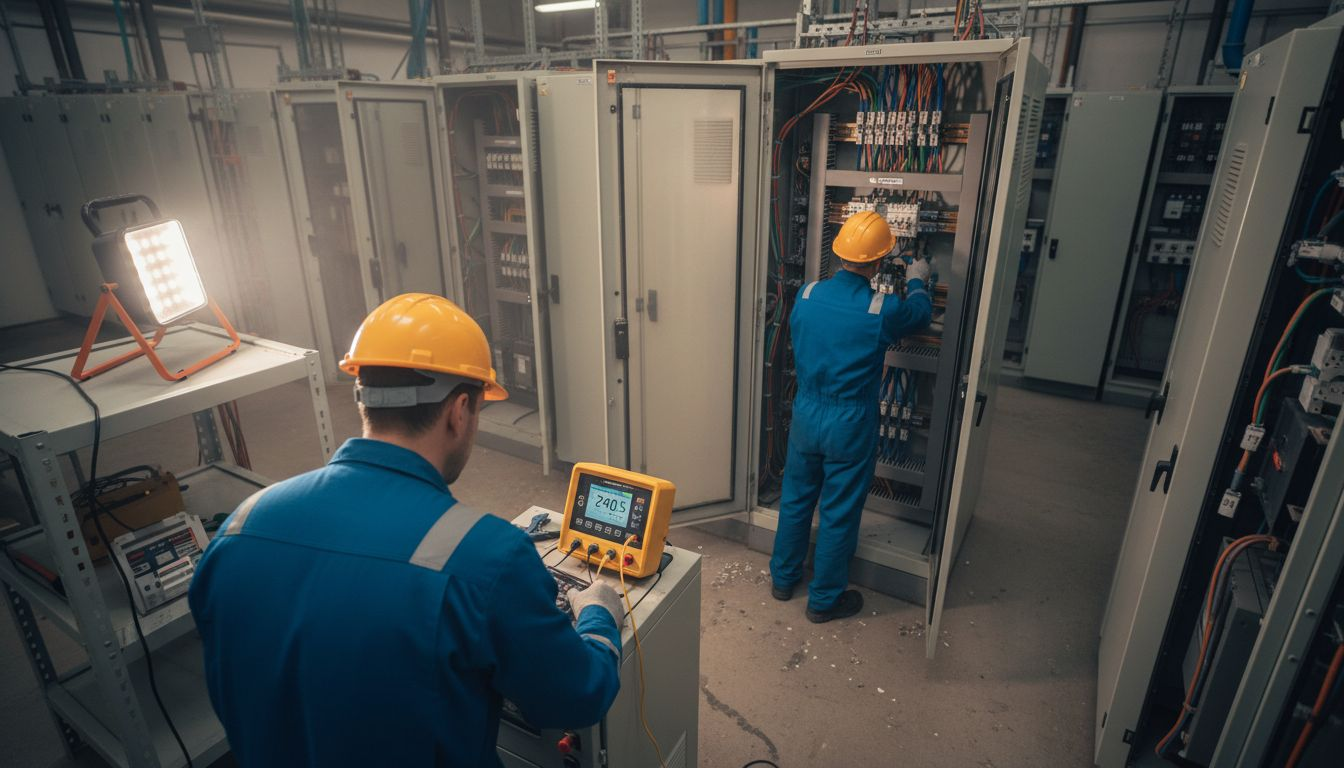
Here is a comparative table of different lightning protection technologies and their recommended use:
| Protection technology | Operating principle | Recommended use |
|---|---|---|
| Triggering lightning rod | Active lightning interception | Exposed high-altitude sites |
| Varistor surge arrester | Overvoltage absorption | Main electrical panels |
| Gas spark gap | Rapid voltage peak deflection | Sensitive equipment |
| Protection diode | Blocking induced overvoltages | Electronic circuits |
Lightning protection architectures come in several essential configurations:
- Mesh cage systems
- Wire mesh systems
- Systems with collector lightning rod
- Perimeter protection systems
Each configuration presents specific advantages in terms of coverage, efficiency and protection of sensitive areas. The choice depends closely on the precise analysis of electrical risks and the topography of the site to be protected.
The judicious combination of multiple devices ensures comprehensive protection against direct and indirect lightning impacts.
Pro tip: Systematically conduct a complete electrical diagnostic before selecting and installing a lightning protection system to optimize safety.
IEC and NFC standards: application and stakes
International lightning protection standards represent a crucial regulatory framework that defines technical and safety standards for the design, installation and maintenance of electrical protection systems. These normative frameworks ensure a standardized and rigorous approach to protection against electromagnetic risks.
The main reference standards include:
- IEC 62305 standards: general protection principles
- NFC 17-102 standards: lightning protection systems
- IEC 61643 standards: technical specifications for surge arresters
The NF EN 62305-1 standard establishes the general principles for lightning protection, covering technical aspects relating to the protection of structures, installations, contents and persons. It defines a precise regulatory framework that excludes certain specific areas such as vehicles and buried pipelines.
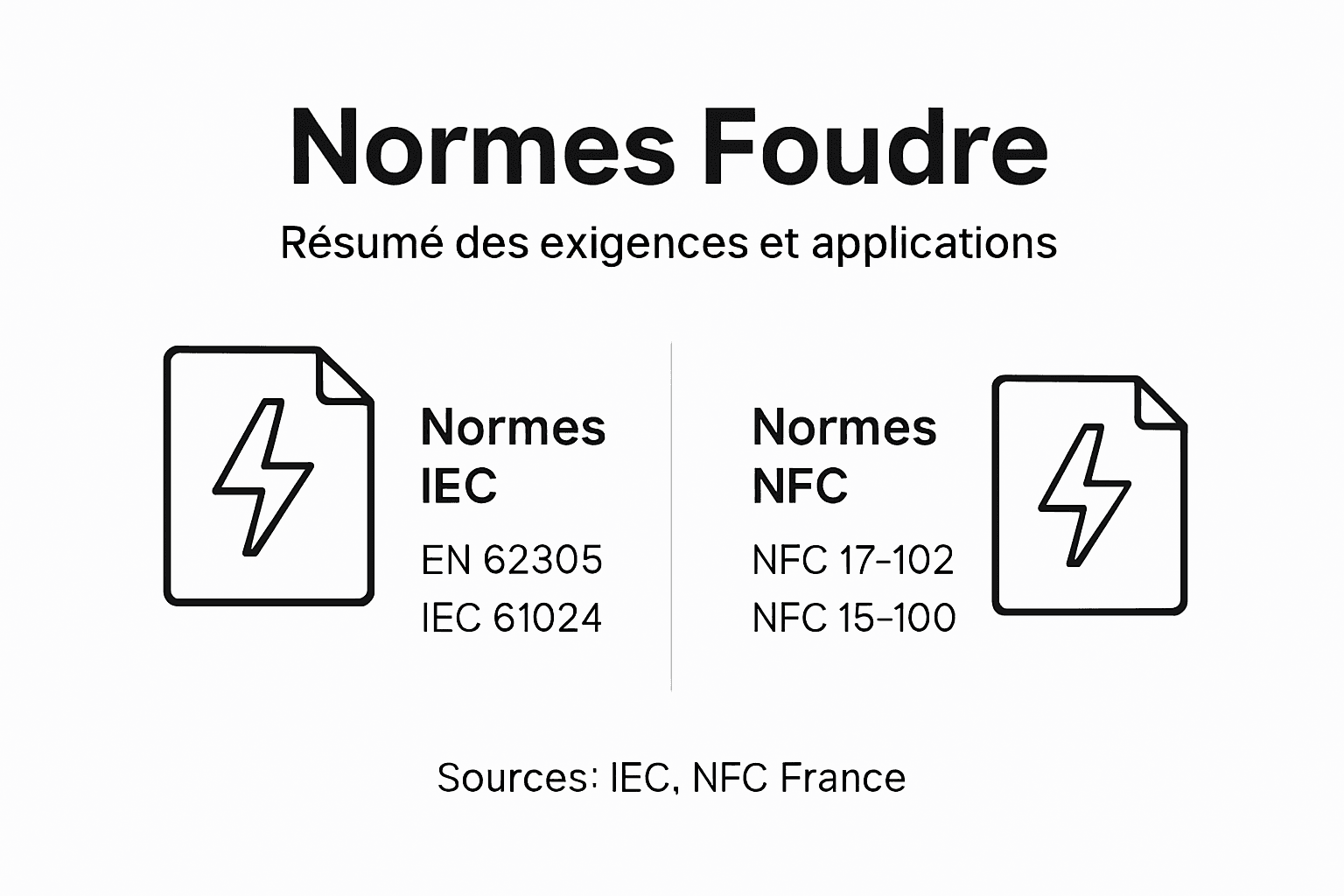
Complementary standards govern different technical aspects:
To facilitate compliance, here is a summary of the main standards and their applications:
| Standard | Field of application | Key points |
|---|---|---|
| IEC 62305 | General lightning protection | Structures, persons and equipment |
| NFC 17-102 | Specific lightning rods | Installation, mandatory maintenance |
| IEC 61643 | Surge arresters and overvoltage devices | Performance and test requirements |
- Risk analysis and threat assessment
- Design of protection systems
- Characteristics of protection devices
- Verification and maintenance methods
Strict application of these standards makes it possible to guarantee an optimal level of safety and significantly reduce the risks associated with lightning impacts.
Pro tip: Systematically consult the latest versions of IEC and NFC standards when designing and installing any lightning protection system.
Impacts on industrial facilities
The impacts of lightning on industrial facilities represent a major risk in terms of electrical safety, potentially causing considerable damage to equipment, infrastructure and potentially endangering human lives. These electromagnetic risks require a preventive and systematic approach to protection.
The potential consequences of lightning impacts include:
- Material damage: destruction of electronic equipment
- Fire risks: ignition of flammable materials
- Operational disruptions: production shutdowns
- Economic losses: interruption of activities
Lightning Risk Analysis (LRA) becomes crucial for classified facilities, particularly ICPE sites (Installations Classified for Environmental Protection). This analysis makes it possible to precisely assess vulnerabilities and implement appropriate protection measures.
The most exposed industrial areas include:
- Petrochemical sites
- Chemical product storage areas
- Power plants
- Telecommunication infrastructure
- Aerospace and space production sites
Lightning protection is not a choice, but a regulatory and safety obligation to prevent major industrial risks.
Pro tip: Conduct a detailed mapping of electromagnetic risks specific to your industrial site before designing a protection system.
Obligations, risks and pitfalls to avoid
Lightning protection involves a complex regulatory framework that imposes strict obligations on industrial establishments and sensitive infrastructure. Compliance is not only a recommendation, but a legal and safety necessity that requires constant and methodical attention.
The main regulatory pitfalls to avoid concern:
- Underestimation of risks: neglect of accurate assessments
- Insufficient maintenance: neglect of periodic inspections
- Non-compliance with standards: deviation from IEC and NFC standards
- Absence of risk analysis: incomplete documentation
ICPE and ERP establishments are particularly concerned with specific regulatory obligations regarding lightning protection. Regulations impose detailed analyses and precise protection measures to ensure the safety of persons and infrastructure.
The consequences of poor management can be dramatic:
- Administrative and financial sanctions
- Insurance invalidation
- Risks to staff safety
- Potentially catastrophic economic losses
- Legal liability engaged in case of incident
Compliance is not an option, but a vital obligation for the protection of facilities and persons.
Pro tip: Conduct a complete and regular audit of your lightning protection systems, with the support of certified experts.
Ensure the Safety and Compliance of Your Lightning Protection Systems
The complexity of IEC and NFC standards as well as the need for precise risk analysis make lightning protection management a difficult task for all professionals involved. Are you looking to perfectly master the terminology and regulatory requirements while effectively securing your industrial or commercial facilities? Integrated management of your lightning rods, surge arresters and audits becomes essential to avoid serious human and economic risks.
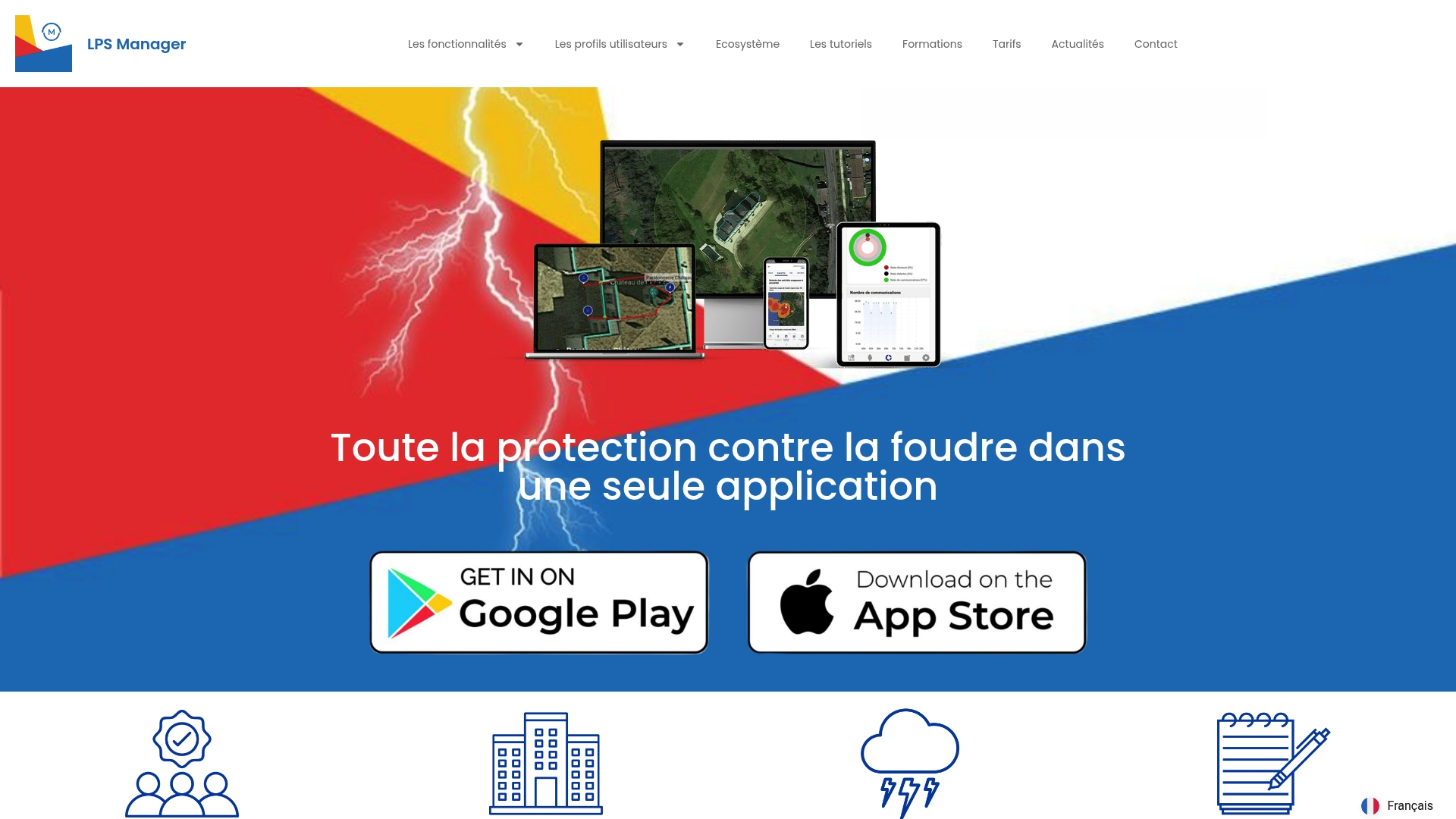
With the LPS Manager platform, simplify the monitoring and compliance of your lightning protection devices thanks to powerful digital tools. Benefit from optimized multi-site management, personalized studies, and real-time weather alerts to anticipate any imminent threat. Don’t let maintenance or regulations become a hindrance to your safety. Discover how to strengthen your overall protection strategy with our solution today and secure your facilities according to best practices and current standards. Act now for reliable and transparent protection.
Frequently Asked Questions
What is a lightning rod and how does it work?
A lightning rod is a high-altitude capture device designed to attract and deflect lightning impacts, thus protecting infrastructure against damage caused by atmospheric discharges.
What are the three levels of lightning protection?
The three levels of protection include: 1) primary protection which directly intercepts the lightning discharge, 2) secondary protection which limits and filters overvoltages, and 3) tertiary protection which protects sensitive electronic equipment.
Why is it important to conduct a risk analysis before installing a lightning protection system?
A detailed risk analysis makes it possible to assess the specific vulnerabilities of a site and to ensure that lightning protection coverage is optimal and adapted to safety needs.
What standards govern lightning protection?
The main standards include the IEC 62305 standard which deals with general protection principles, as well as the NFC 17-102 standard which concerns lightning protection systems. These standards define the technical requirements necessary to ensure effective protection.
Recommendation
Article generated by BabyLoveGrowth
To learn more, discover LPS Manager pricing and download the app.
