
Protecting an industrial site against lightning can quickly become a complex challenge. Between compliance with IEC standards, technical management of protections and documentary organization, each step demands precision and rigor. This lack of clarity exposes your equipment and teams to risks that could be avoided through a structured method.
The good news is that there are proven solutions to improve the safety and reliability of your installations. You will discover practical advice covering risk assessment, document centralization, technological tools and lightning audits, all directly inspired by regulatory requirements and specialist recommendations.
Get ready to explore concrete actions that will transform your site’s protection against lightning, with methods that promote safety, compliance and operational continuity.
Table of Contents
- 1. Assess lightning risks according to IEC standards
- 2. Centralize document management of interventions
- 3. Automate weather monitoring and alerts
- 4. Optimize annual verification audits
- 5. Collaborate effectively via a professional directory
- 6. Leverage connected product data for monitoring
- 7. Integrate multi-site optimization and IT API
Quick Summary
| Key Message | Explanation |
|---|---|
| 1. Assess lightning risks | Follow IEC 62305 standard to understand impact and damage risks. |
| 2. Centralize document management | Organize all technical documents for traceability and quick access. |
| 3. Automate weather monitoring | Implement an alert system to detect and anticipate storms. |
| 4. Optimize verification audits | Conduct annual audits to ensure compliance and integrity of protection systems. |
| 5. Collaborate via a professional directory | Use a certified directory to find competent experts and reduce operational risks. |
1. Assess lightning risks according to IEC standards
Assessing lightning risks is an essential step to effectively protect industrial infrastructure. IEC 62305 standard provides a comprehensive framework for precisely analyzing impact probabilities and potential damages.
This assessment involves a multi-criteria analysis that takes into account several strategic parameters:
- Site geography and location
- Height of structures
- Electrical and electronic systems present
- Level of lightning activity in the region
- Presence of sensitive equipment
The precision of the assessment directly determines the quality of protection measures to be implemented.
To carry out a precise risk assessment, experts use normative methodologies that allow calculating a quantified risk level. This calculation incorporates factors such as lightning density, structure vulnerability and potential consequences of an impact.
The concrete steps of an assessment according to IEC 62305 include:
- Comprehensive collection of site data
- Identification of vulnerable zones and equipment
- Calculation of risk level according to normative matrices
- Recommendation of suitable protections
- Sizing of protection systems
Pro tip: Have your first risk analysis performed by a certified expert to guarantee an assessment compliant with IEC standards and suited to your specific industrial context.
2. Centralize document management of interventions
Document management represents a critical issue for industrial sites facing lightning risks. Centralizing documents becomes an unavoidable operational strategy to ensure safety and compliance.
In the field of industrial maintenance, optimized document management makes it possible to consolidate all critical information related to lightning protection interventions.
The benefits of effective document centralization include:
- Complete traceability of interventions
- Quick access to technical documents
- Preservation of maintenance history
- Facilitation of regulatory audits
- Reduction of human error risks
Centralized and structured documentation becomes a true operational shield against potential incidents.
To implement effective document management, it is recommended to follow these steps:
- Digitize all existing documents
- Define a clear and logical file structure
- Implement secure access rights
- Automate update processes
- Plan regular backups
Pro tip: Invest in an electronic document management system (EDMS) that allows you to centralize, secure and instantly share your technical documents for lightning protection.
3. Automate weather monitoring and alerts
Automating weather monitoring represents a crucial strategy for industrial sites exposed to lightning risks. Modern technology now allows to transform simple observation into a proactive prevention system.
Automated systems offer permanent technological monitoring that makes it possible to detect and anticipate meteorological risks before they become critical. Real-time monitoring thus becomes a dynamic protection shield.
The main benefits of an automated alert system include:
- Early detection of storms
- Instant alerts on multiple channels
- Precise geolocation of risks
- Recording of meteorological events
- Automatic triggering of safety protocols
Meteorological anticipation transforms industrial risk management.
To implement an effective monitoring system, follow these steps:
- Choose a geolocated detection system
- Set custom alert thresholds
- Define communication channels
- Integrate reaction protocols
- Regularly test the system
Such a system not only protects equipment but also guarantees staff safety in case of imminent risk.
Pro tip: Invest in a multi-channel alert system that combines meteorological data, geolocation and instant notifications for maximum protection.
4. Optimize annual verification audits
Annual verification audits are a strategic element in managing lightning protection systems. Regulatory compliance requires a methodical and rigorous approach to assessing devices.
An effective lightning audit relies on structured data collection and in-depth analysis of existing devices. It ensures the reliability and lifespan of installed protections.
The main objectives of an annual verification audit include:
- Precisely identify vulnerable zones
- Test the integrity of protection systems
- Verify compliance with IEC and NFC standards
- Document the condition of equipment
- Recommend potential improvements
Rigorous audit transforms preventive maintenance into a true protection strategy.
To conduct an optimal audit, follow these essential steps:
- Prepare a detailed specification
- Conduct a comprehensive diagnosis of installations
- Perform electrical continuity tests
- Verify connections and grounds
- Produce an exhaustive and traceable report
Pro tip: Invest in digital tracking tools that allow you to capitalize on previous audit data and facilitate year-on-year comparison.
5. Collaborate effectively via a professional directory
Effectiveness in lightning protection relies largely on the ability to identify and collaborate with qualified professionals. Networking becomes a strategic advantage for industrial sites facing lightning risks.
The QUALIFOUDRE label issued by INERIS represents an official referential guaranteeing the competence of professionals in the sector.
The benefits of a quality professional directory include:
- Quick identification of certified experts
- Verification of technical skills
- Simplification of recruitment processes
- Reduction of operational risks
- Ensured regulatory compliance
A good directory transforms the search for skills into a strategic opportunity.
To optimize your collaboration via a professional directory, follow these steps:
- Verify the certifications of professionals
- Consult references and experience
- Evaluate technical specialties
- Contact multiple professionals
- Compare approaches and proposals
Pro tip: Use digital platforms that allow you to cross-reference certifications, customer reviews and expertise areas specific to lightning protection.
6. Leverage connected product data for monitoring
Connected products are revolutionizing the management of lightning protection systems. Intelligent data exploitation now enables a predictive and proactive maintenance approach.
Digital transformation offers industrial sites a new paradigm of real-time monitoring. IoT systems make it possible to collect and analyze critical information about equipment condition.
The main benefits of connected products include:
- Immediate anomaly detection
- Real-time system integrity monitoring
- Anticipation of potential failures
- Reduction of maintenance costs
- Improved traceability
Connected data transforms curative maintenance into a preventive strategy.
To effectively leverage this connected data, follow these steps:
- Identify compatible equipment
- Implement a collection platform
- Define performance indicators
- Set alert thresholds
- Regularly analyze trends
Pro tip: Invest in data centralization solutions that transform raw information into operational and decision-making dashboards.
7. Integrate multi-site optimization and IT API
Modern management of lightning protection requires an integrated and interconnected approach. Multi-site optimization becomes a strategic lever for complex industrial organizations.
Integration of information systems makes it possible to centralize and standardize the management of lightning risks across different sites and entities.
The main benefits of this approach include:
- Centralization of protection data
- Process standardization
- Real-time management of installations
- Reduction of management costs
- Improved responsiveness
System interoperability transforms risk management into operational intelligence.
To effectively integrate your systems, follow these steps:
- Identify existing systems
- Define a data exchange standard
- Select a compatible API
- Implement security protocols
- Conduct integration tests
Pro tip: Choose flexible and secure API solutions that allow seamless interconnection between your different lightning protection systems.
Here is a table summarizing the main points and recommendations regarding assessments of lightning-related risks, document management, weather monitoring, audits, professional collaboration, exploitation of connected data and multi-site optimization, as presented in the analyzed article.
| Theme | Main Points | Key Recommendations |
|---|---|---|
| Lightning risk assessment | Includes multi-criteria analysis based on IEC 62305 standard to calculate probabilities and damages. | Collect precise data, identify vulnerabilities and start with a certified expert. |
| Document management | Centralization of documents to ensure safety and compliance. | Digitize archives, define a file structure and use EDMS to optimize access and updates. |
| Weather monitoring | Automation of alerts for proactive risk prevention. | Install a geolocated system with multi-channel communication and reactive protocols. |
| Annual audits | Verification and improvement of protection systems for compliance purposes. | Structure diagnostics, perform tests and produce exhaustive reports. |
| Professional collaboration | Optimized networking via directories and tools such as QUALIFOUDRE. | Use digital platforms to select certified experts. |
| Connected data | Use of IoT to improve monitoring and maintenance. | Implement a platform, analyze data and anticipate anomalies. |
| Multi-site optimization | Centralization and standardization via IT system integration. | Selection of compatible APIs and rigorous testing for inter-site interconnection. |
Optimize lightning protection of your industrial sites with LPS Manager
Lightning risk management requires a rigorous approach combining precise assessment, continuous monitoring and effective collaboration. Faced with the challenges mentioned in “7 tips to optimize lightning protection for industrial sites” such as assessment according to IEC standards, document centralization or weather alert automation, LPS Manager offers you an all-in-one solution that simplifies each step.
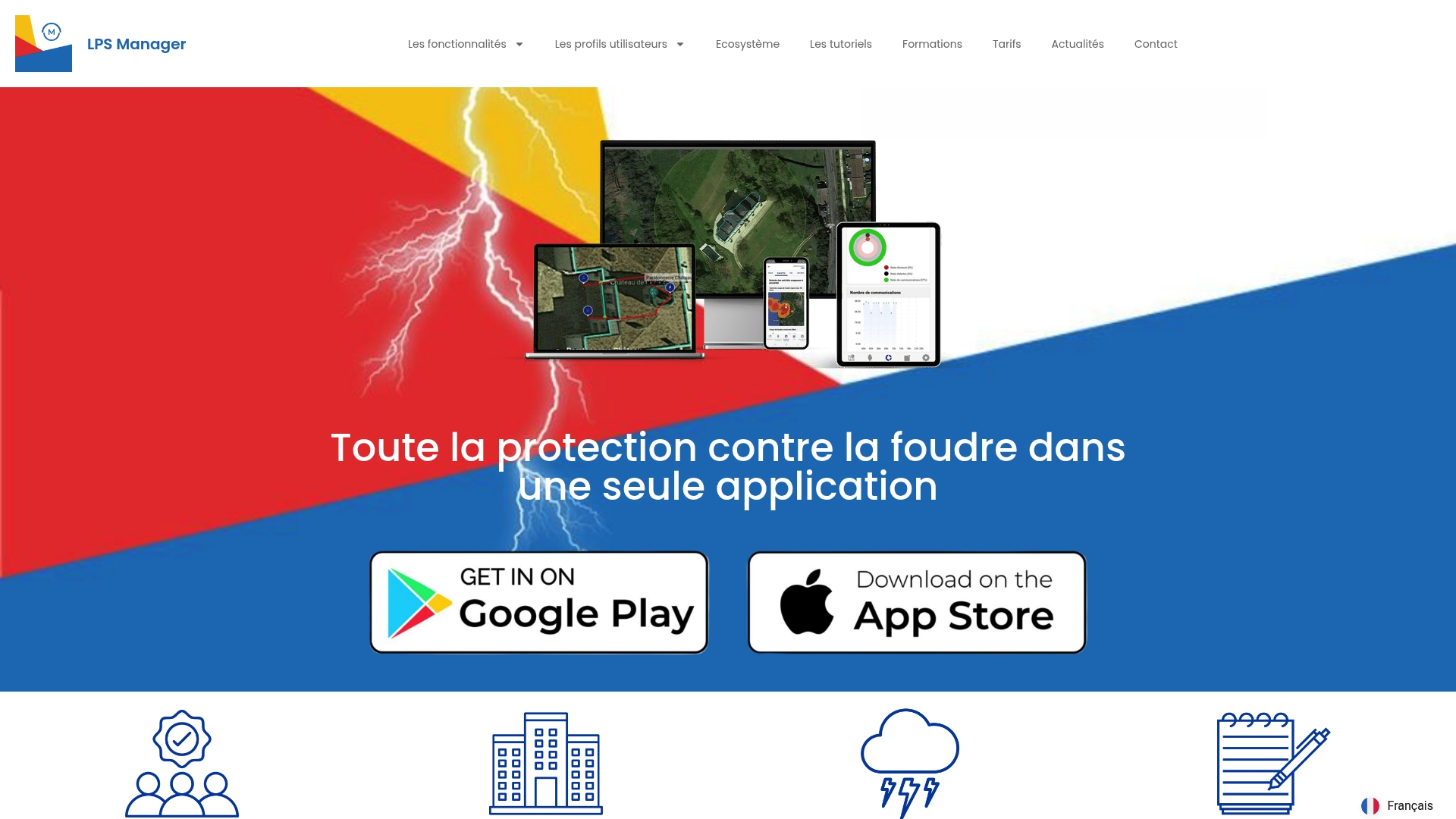
With LPS Manager, benefit from an intuitive platform to conduct your risk studies, organize your annual audits and track meteorology in real time with instant alerts. Centralize your reports and documents in a secure space, collaborate effectively through an integrated professional directory and make informed decisions thanks to the personalized score of your installations. Do not leave lightning protection to chance and access now a tool compliant with IEC and NFC standards adapted to the needs of industrial sites.
Discover how to transform your methods by visiting LPS Manager and start optimizing the safety of your infrastructure today. You can also explore our effective lightning audit features and integrated document management on the platform for complete control of your protection.
Frequently Asked Questions
How do I assess lightning risks at my industrial site?
To assess lightning risks, it is essential to collect precise data about the site, such as geography and existing structures. Conduct an analysis following IEC 62305 standard to determine the risk level and protection measures to implement.
What steps should I follow to centralize document management of lightning interventions?
To centralize document management, start by digitizing all existing documents and creating a clear file structure. Implement an electronic document management system to facilitate access and reduce human error risks.
How do I automate weather monitoring at my site?
To automate weather monitoring, choose a geolocated detection system and set custom alerts. This will allow you to receive instant notifications and anticipate risks, thereby ensuring the safety of your installations.
What are the steps of an annual verification audit for lightning protection?
An annual verification audit requires preparation of a specification, comprehensive diagnosis of installations, and electrical continuity tests. Produce a detailed report to document equipment condition and recommend potential improvements.
How do I collaborate effectively with lightning protection professionals?
To collaborate effectively, use a professional directory that verifies the skills of certified experts. Evaluate multiple professionals based on their references and technical specialties before making your choice.
How do I leverage connected product data for lightning protection monitoring?
Leverage connected product data by identifying compatible equipment and implementing a data collection platform. Set alert thresholds to immediately detect anomalies and improve preventive maintenance.
